

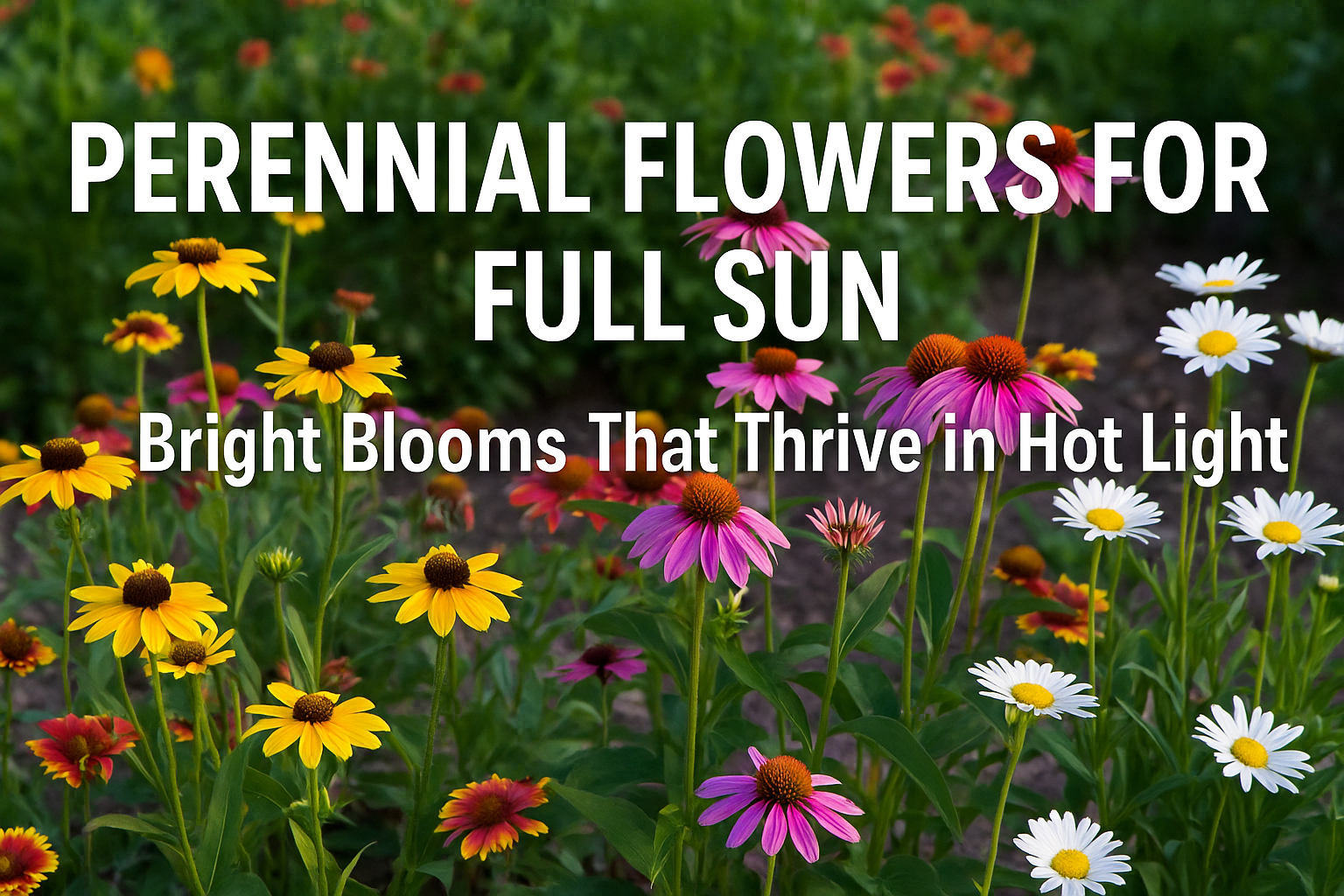
Strong sunlight can feel harsh in many parts of the United States. Many plants struggle with dry soil and hot afternoons. Yet some flowers love the heat. These perennials bloom well in full sun and return each year with bold color.
Gardeners across warm states enjoy these plants because they handle sun, drought, and tough soil. They grow in the South, Midwest, Southwest, and many coastal regions. Each plant below offers steady color, simple care, and long life.
Several national gardening groups share the same message: choose plants that match your zone, soil, and sun level. The U.S. Department of Agriculture notes that plant hardiness zones guide long-term success for perennials.
Perennials that love full sun bring strong value. They anchor beds, borders, and front yards. They also attract bees, butterflies, and birds. These flowers create vibrant summer displays without constant work.
Below is a full guide with care tips, expert quotes, real statistics, and bloom ideas for sunny U.S. gardens.
Why Full-Sun Perennials Matter
Full-sun areas often feel empty because many plants fail there. Heat stress, dry soil, and burnt leaves create weak growth. Perennials built for sun solve this problem.
They give:
- Long bloom seasons
- Strong stems
- Deep roots
- Low water needs
- Bright color under direct light
These traits make them ideal for busy gardeners or large yards.
A report from the National Gardening Association found that about 55% of American gardeners grow perennials each year, with sun-tolerant varieties leading sales in warmer states.
Simple care. Long life. High impact.
That’s why sun-loving perennials remain top picks across the country.
Best Perennial Flowers for Full Sun
Below are the strongest performers for hot, sunny U.S. regions. Each one thrives under long hours of direct sunlight.
1. Black-Eyed Susan
Black-Eyed Susan grows well in full sun and hot weather. Its golden petals stand out in gardens from summer to fall. Bees and butterflies love it.
the University of Wisconsin Extension states:
“Black-Eyed Susan is one of the easiest native perennials for sunny sites.”
Key Traits
- Bright yellow blooms
- Strong drought resistance
- Long flowering period
Care Tips
Water once soil feels dry. Add compost each spring. Cut spent blooms for steady flowers.
2. Coneflower (Echinacea)
Coneflowers thrive in hot summers. Their strong stems hold bold purple or pink petals. Many gardeners use them for pollinator gardens.
Key Traits
- Long-lasting blooms
- Heat and drought tolerance
- Native to North America
Care Tips
Plant in well-drained soil. Water deeply. Cut back in late fall.
3. Daylilies
Daylilies deliver bright color even in poor soil. Their trumpet-shaped blooms appear in waves through summer.
Key Traits
- Many color options
- Strong heat tolerance
- Fast growth
Care Tips
Divide clumps every few years. Add mulch to hold moisture. Daylilies remain a favorite in many southern states due to their toughness.
4. Shasta Daisy
This classic white-and-yellow perennial handles full sun without stress. It brings a clean, bright look to borders.
Key Traits
- Long bloom time
- Strong stems
- Easy care
Care Tips
Keep soil drained. Remove spent flowers. Water during long dry periods.
5. Russian Sage
Russian Sage thrives in sun, heat, and poor soil. Its soft purple stems move well with the wind.
Key Traits
- Silver foliage
- Tall airy blooms
- Strong drought resistance
Care Tips
Plant in dry, fast-draining soil. Cut back in early spring.
6. Yarrow
Yarrow grows well even in strong heat. Its flower clusters create soft color in summer. Pollinators flock to it.
Key Traits
- Drought tolerant
- Flat clusters of blooms
- Long life
Care Tips
Avoid wet soil. Spread mulch lightly. Trim after the first bloom.
7. Blanket Flower (Gaillardia)
Blanket flower loves heat and bright sun. It blooms in red, yellow, and orange shades.
Key Traits
- Constant summer color
- Handles sandy soil
- Works in coastal areas
Care Tips
Water once a week at most. Provide strong sun all day.
8. Lavender
Lavender thrives under long sunlight and dry air. Its scent and purple color create a calm feeling in gardens.
Key Traits
- Strong fragrance
- Heat tolerance
- Gray-green foliage
Care Tips
Keep soil dry. Avoid heavy watering. Cut back in late summer.
9. Sedum (Stonecrop)
Sedum thrives in hot, rocky soil. Its thick leaves store water. Late-season flowers attract bees.
Key Traits
- Low water needs
- Handles neglect
- Great for borders and slopes
Care Tips
Plant in dry soil. Avoid heavy fertilizer.
10. Bee Balm (Full-Sun Varieties)
Bee Balm offers bold red or pink blooms. Full-sun varieties thrive in heat and bring bees and hummingbirds.
Key Traits
- Strong pollinator draw
- Fragrant leaves
- Summer bloom time
Care Tips
Give space for airflow. Water at the soil line.
Designing a Full-Sun Garden Bed
A strong bed layout creates a steady flow of color. These tips work well for yards across the United States.
Use Height for Structure
Place tall plants like Russian Sage or Coneflower in the back. Medium flowers like Shasta Daisy fill the center. Low growers like Sedum sit in front.
Pick a Simple Color Story
Warm tones create energy. Soft tones feel calm. Decide early.
Improve Soil Gradually
Compost helps roots grow. Sandy soil can still work for many sun perennials.
Water Deeply, Not Often
Deep watering builds strong roots. Light watering creates weak plants.
Mulch the Right Way
A thin layer of mulch lowers soil heat and holds moisture.
The EPA shared that mulching can cut water use in gardens by up to 20% in hot climates.
Best Regions for Full-Sun Perennials in the USA
These plants thrive across:
- Texas
- Florida
- Arizona
- California
- Nevada
- New Mexico
- Colorado
- Oklahoma
- Georgia
- South Carolina
- North Carolina
- Arkansas
- Southern Midwest states
They also grow well in northern states during summer.
Simple Year-Round Care Plan
Spring: Clear debris. Add compost. Divide plants.
Summer: Water deeply. Remove old blooms. Watch for heat stress.
Fall: Cut back stems. Add mulch around roots.
Winter: Most full-sun perennials rest. Leave some seed heads for birds.
Frequently Asked Questions
1. What makes a flower good for full sun?
A strong sun perennial handles heat and direct light. It keeps firm stems and bright blooms even in hot afternoons.
2. How many hours count as full sun?
Full sun means six or more hours of direct sunlight each day. Many of the plants listed grow well with eight or more.
3. Do full-sun perennials need a lot of water?
Most need less water than shade plants. Deep, slow watering once or twice a week works for many species.
4. What is the easiest full-sun perennial for beginners?
Black-Eyed Susan and Daylilies offer simple care. Both grow well in many U.S. climates.
5. Can these plants grow in containers?
Yes, many full-sun perennials grow well in pots. Sedum, Lavender, and Coneflower do especially well.
